Black Mirror Diary
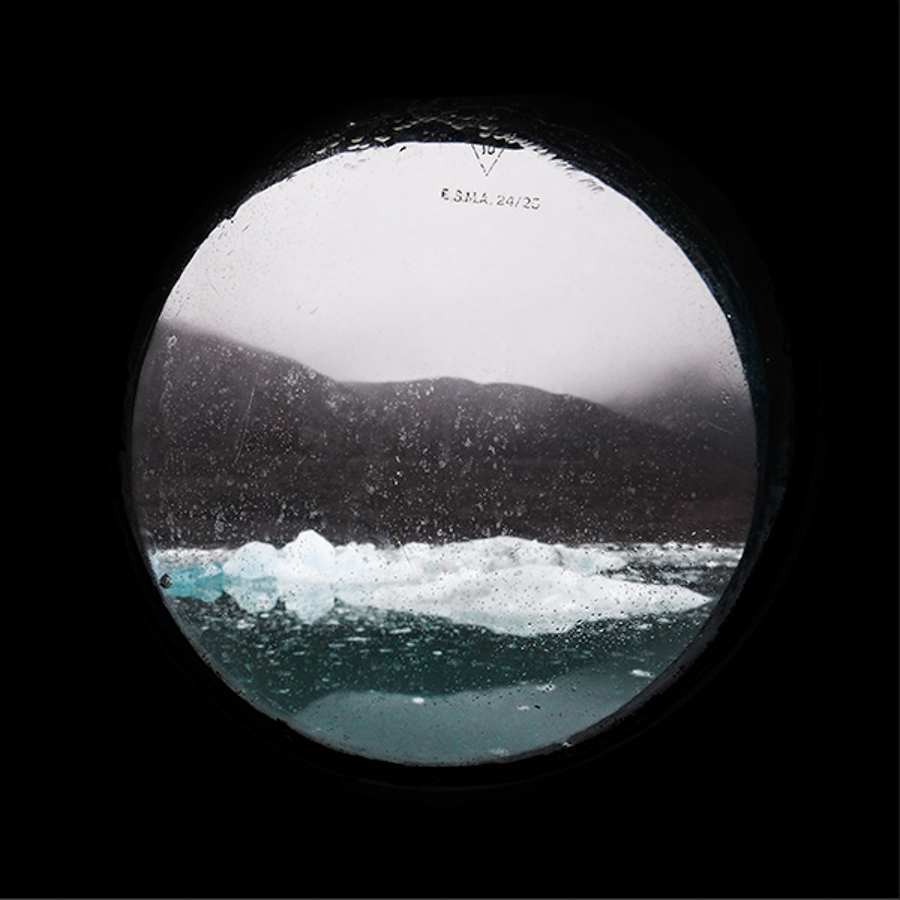
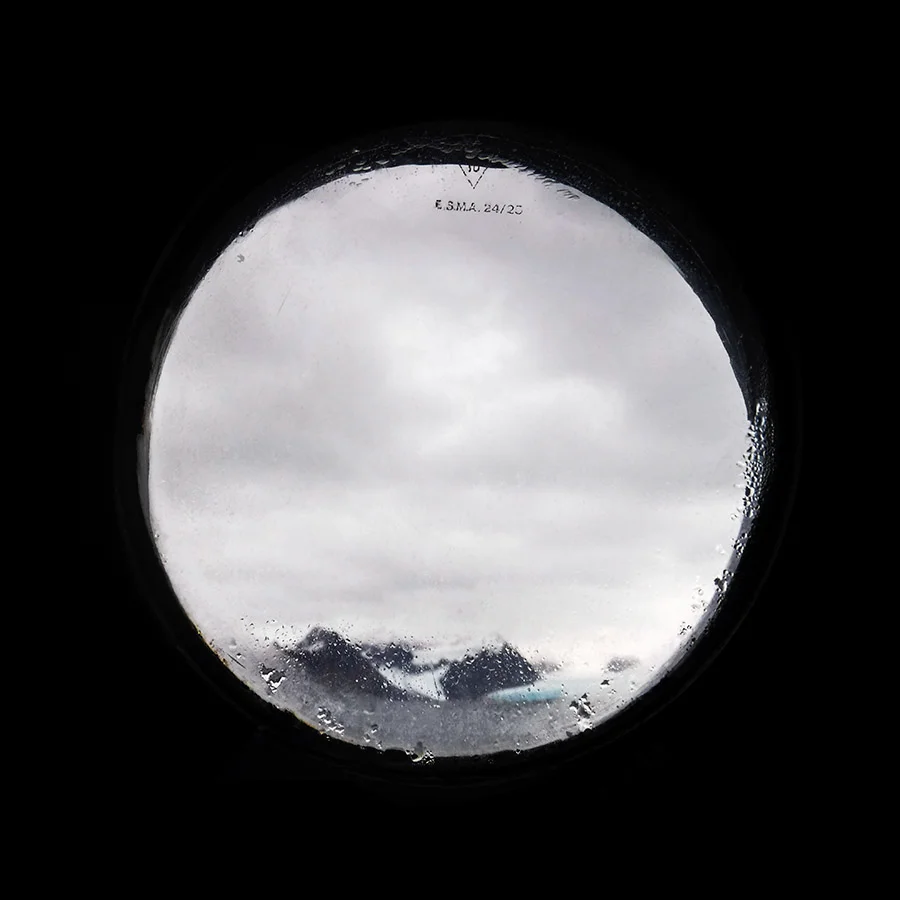
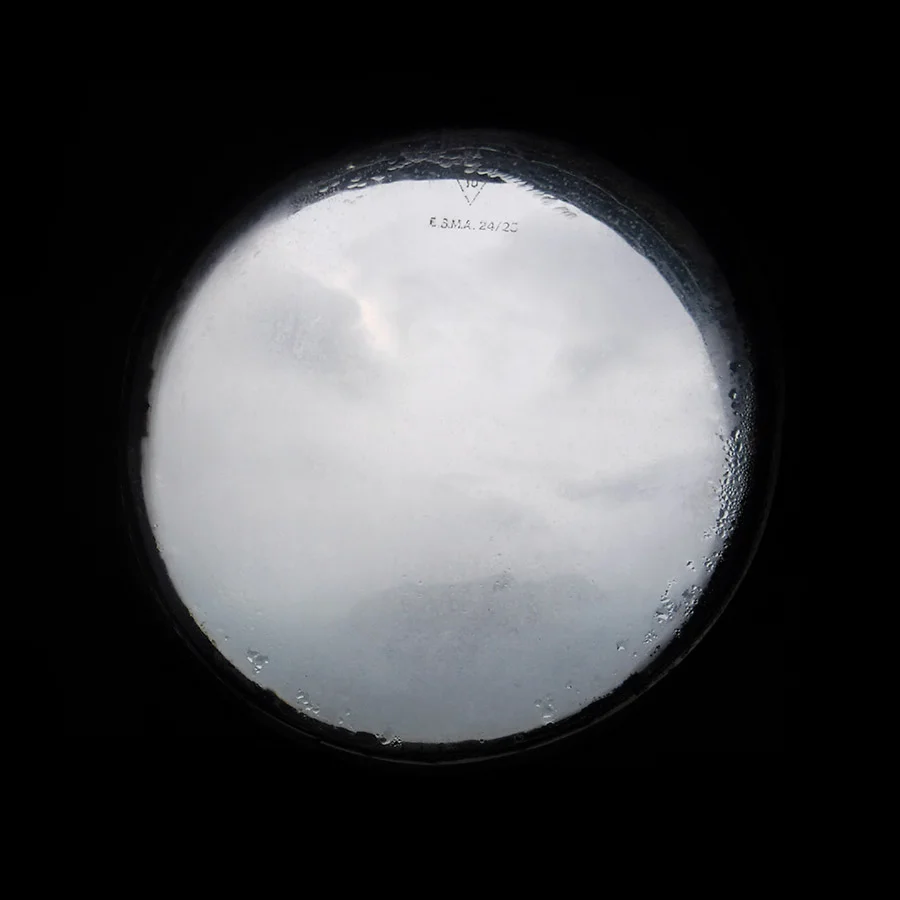
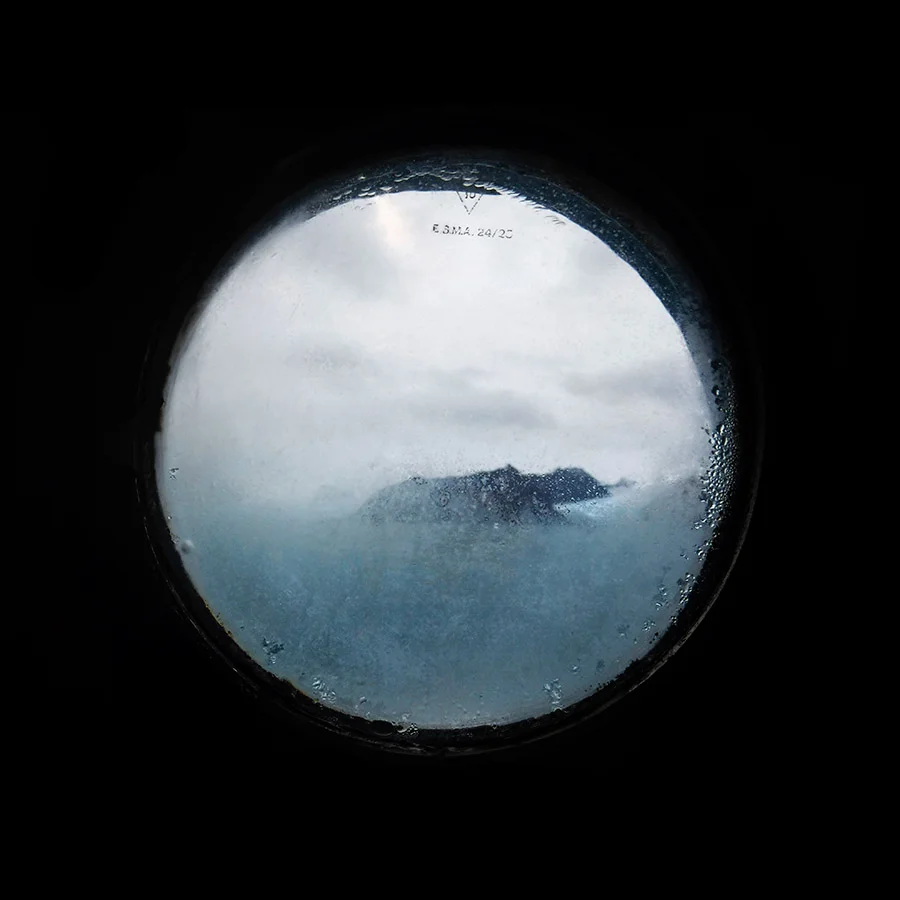
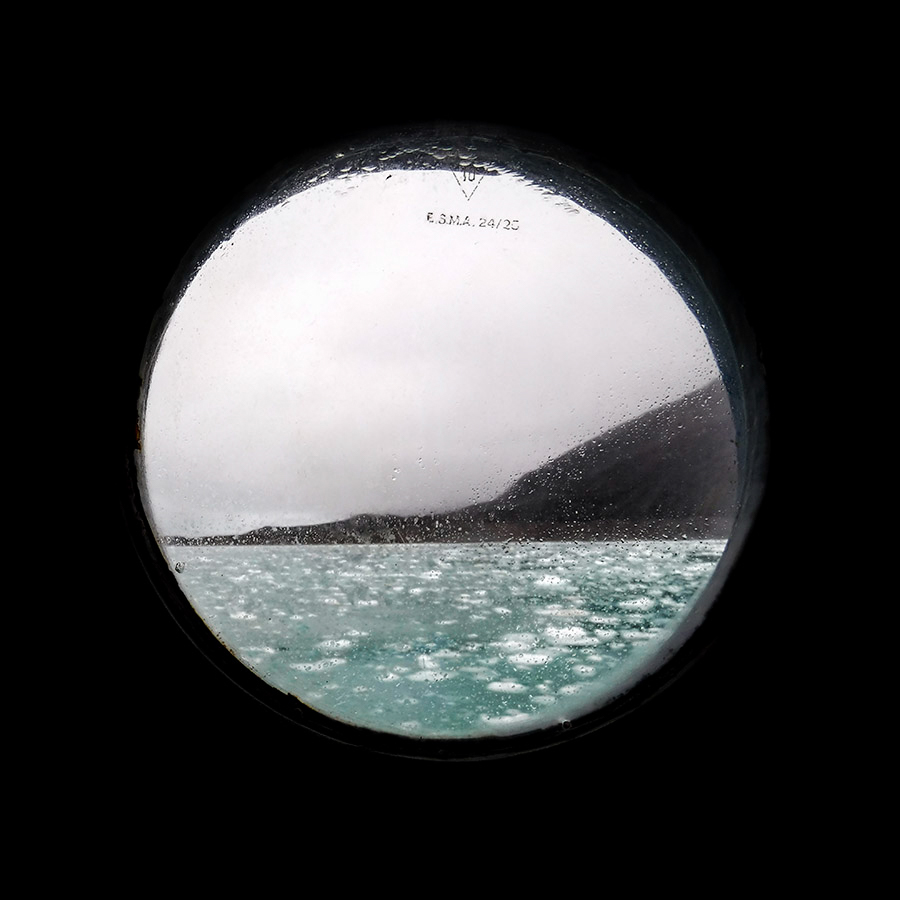
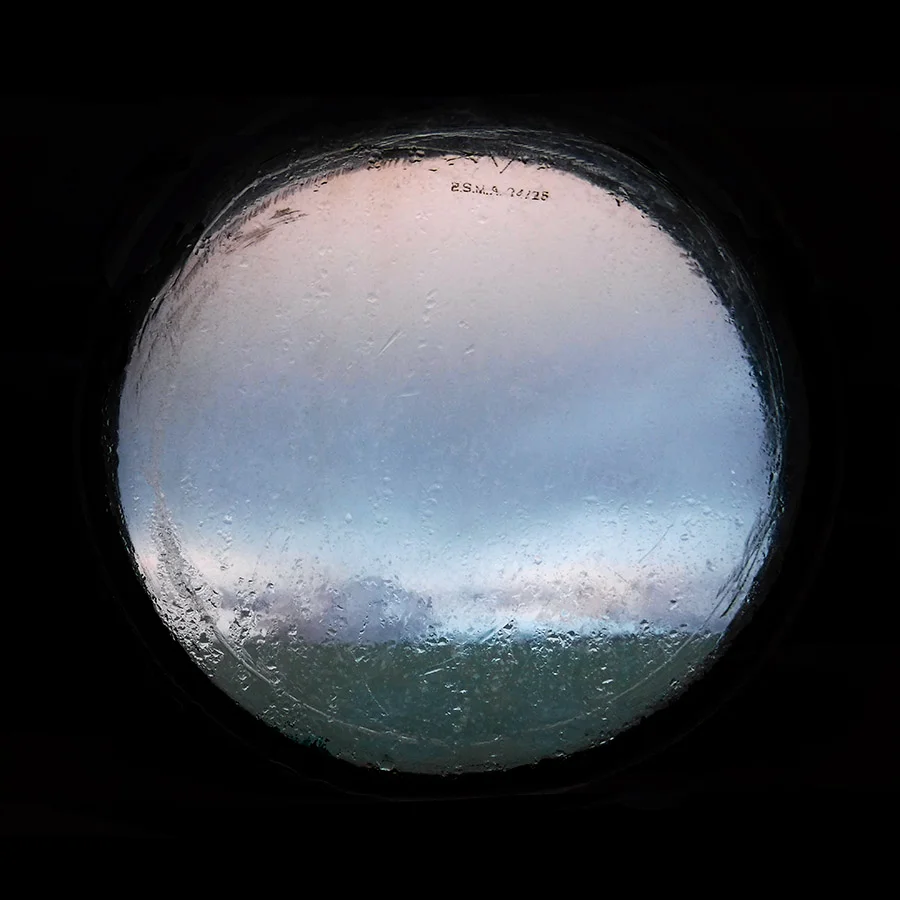
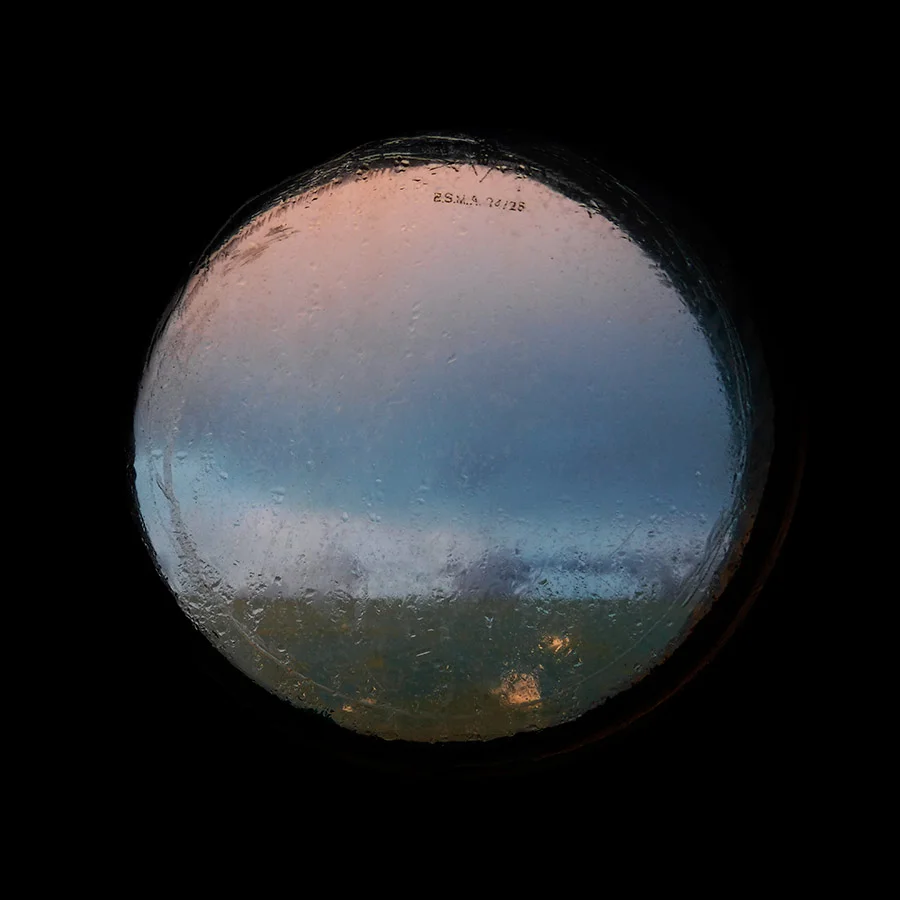
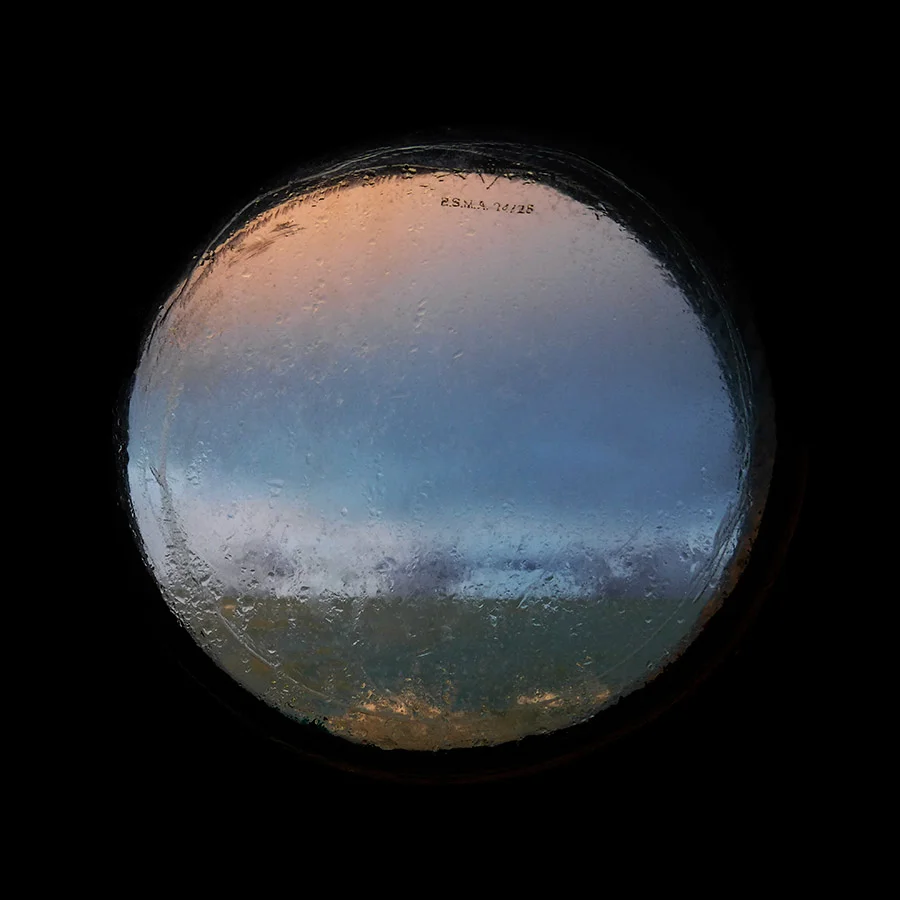
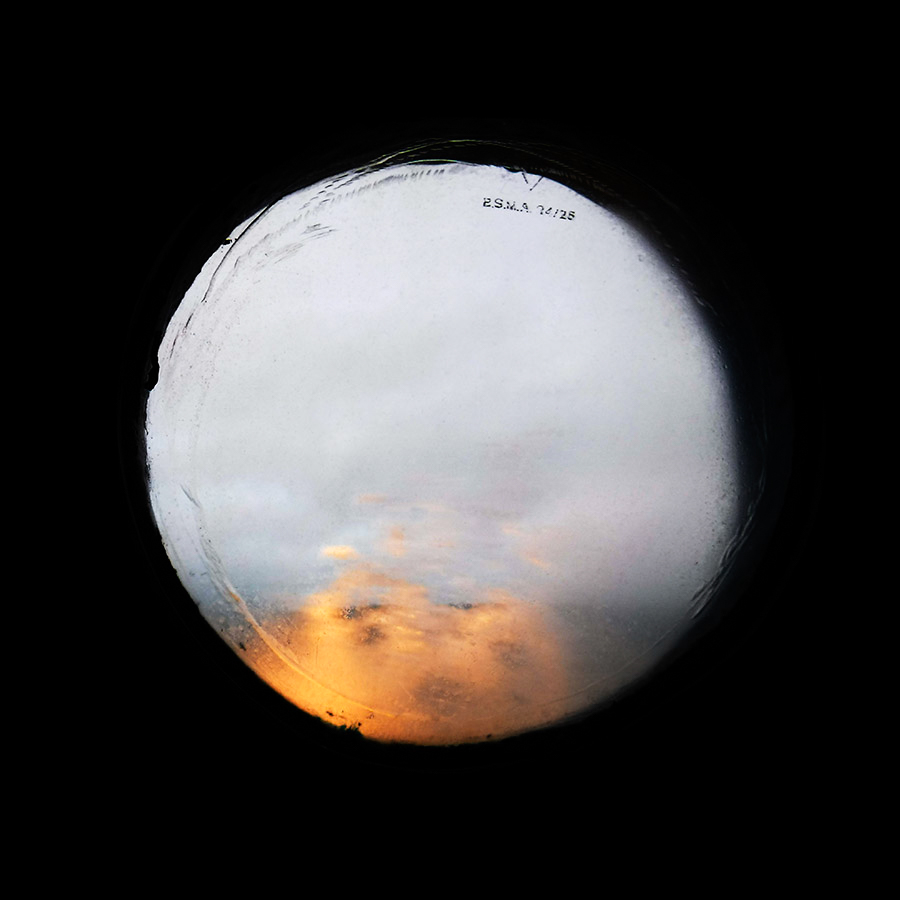
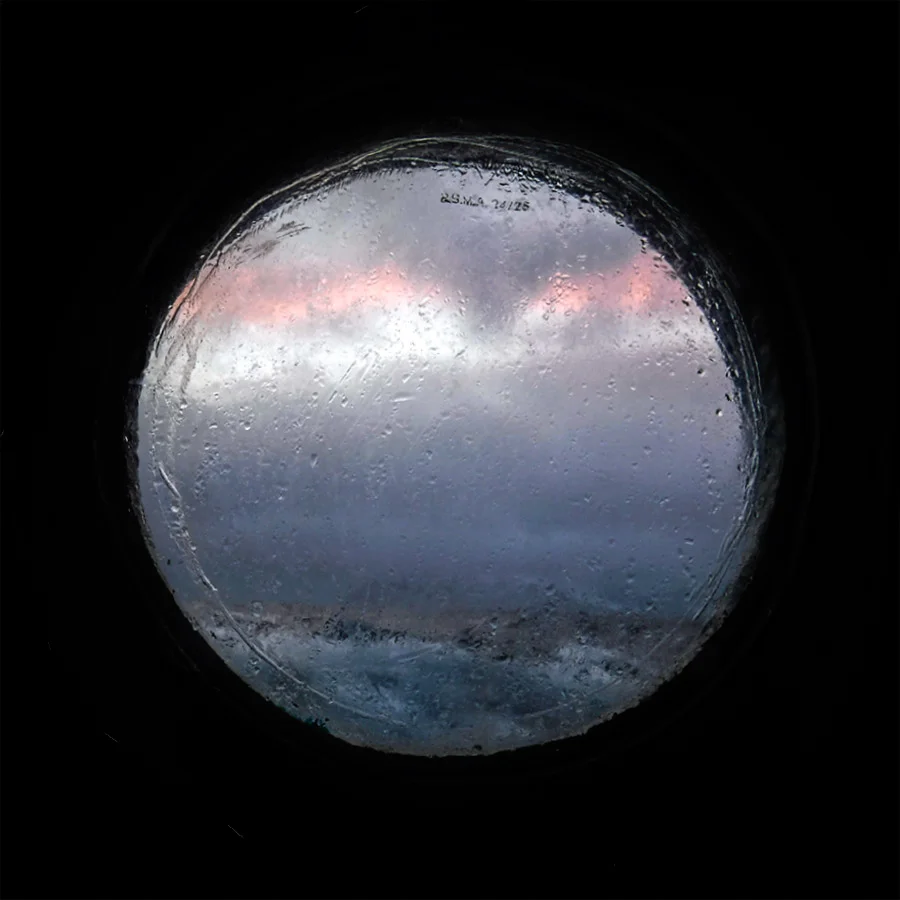
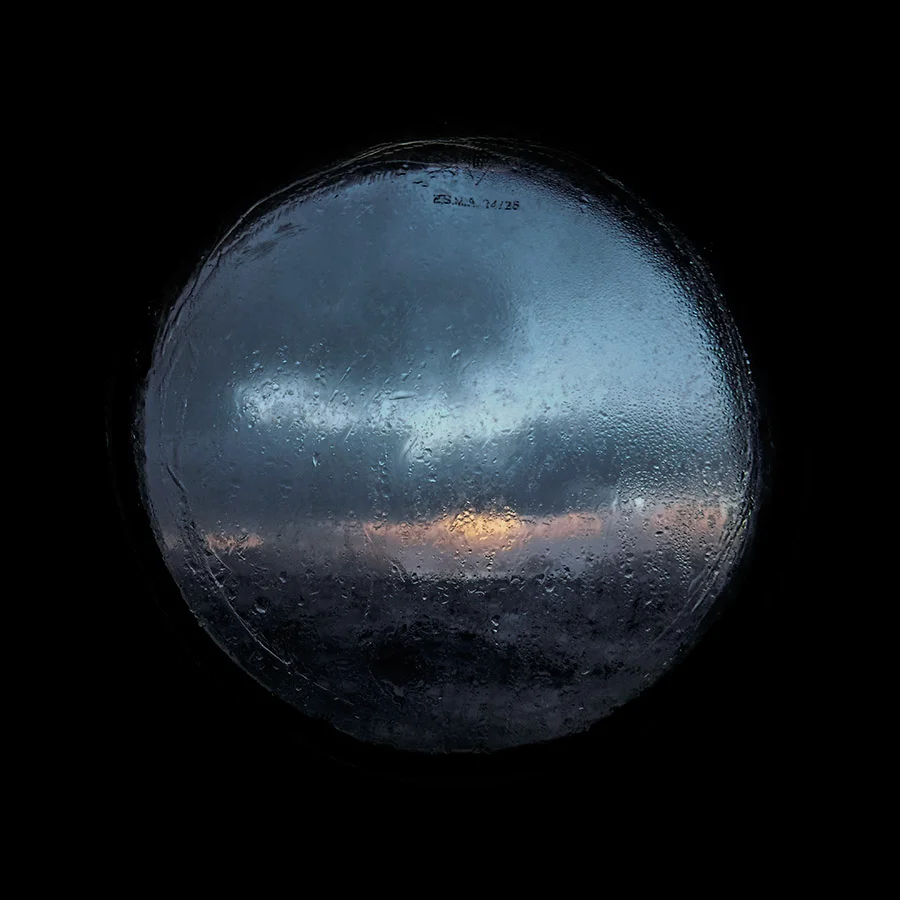
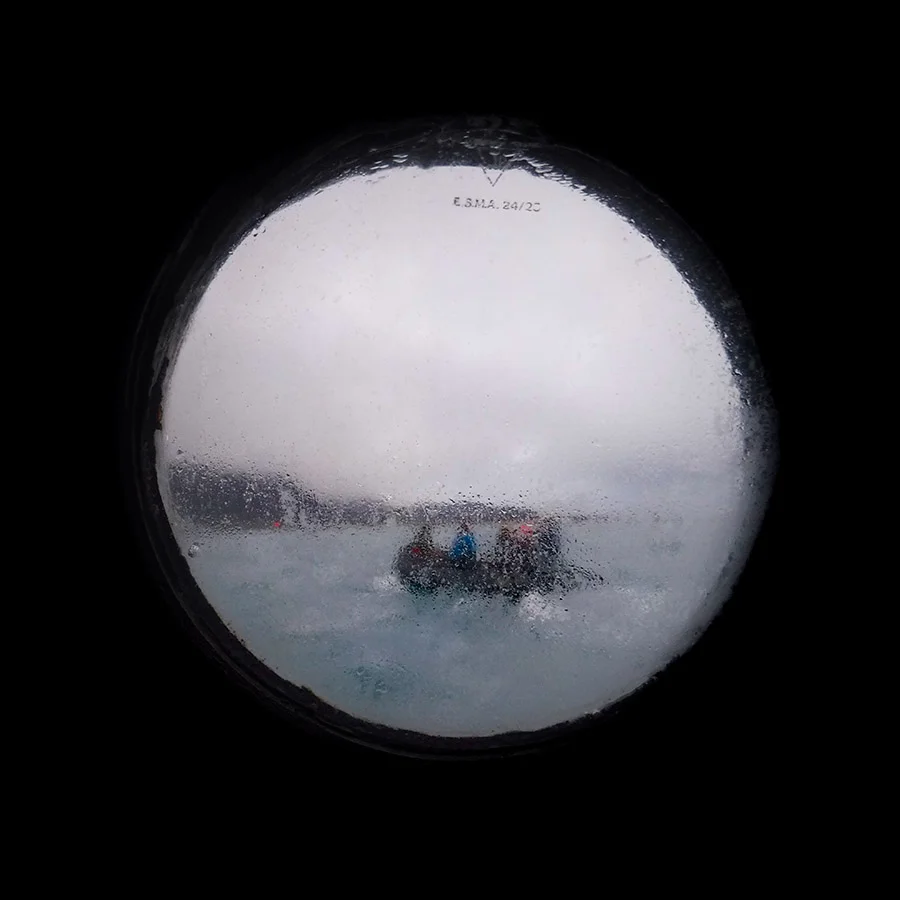
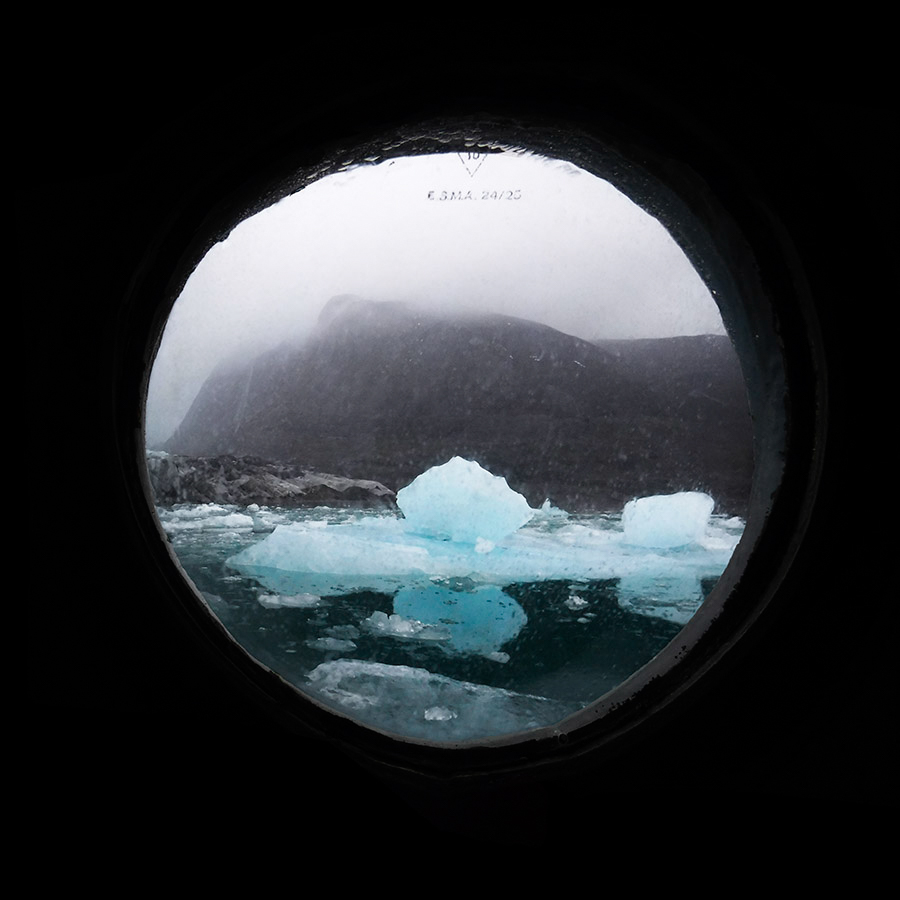
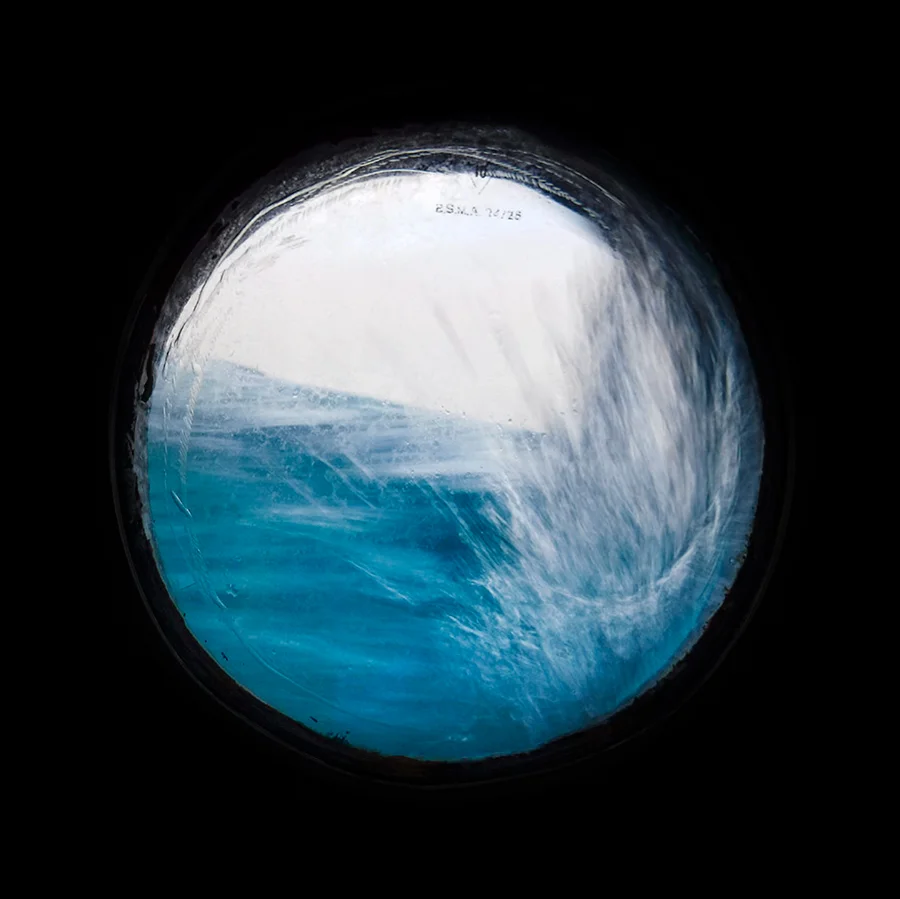
Black Mirror Diary is series of a time-lapse videos shot through the porthole of my cabin as we sailed to the northwestern end of the Svalbard Archipelago in October, 2016. Much of the high arctic is so cold and dry year-round it is technically classified as a polar desert, but during our weeks at sea it rained almost every day, at times so torrentially that all the snow was washed from all the mountains all the way to 80° North. We were almost 1400 miles north of Oslo, Norway at the beginning of winter and there wasn't a flake of snow anywhere.
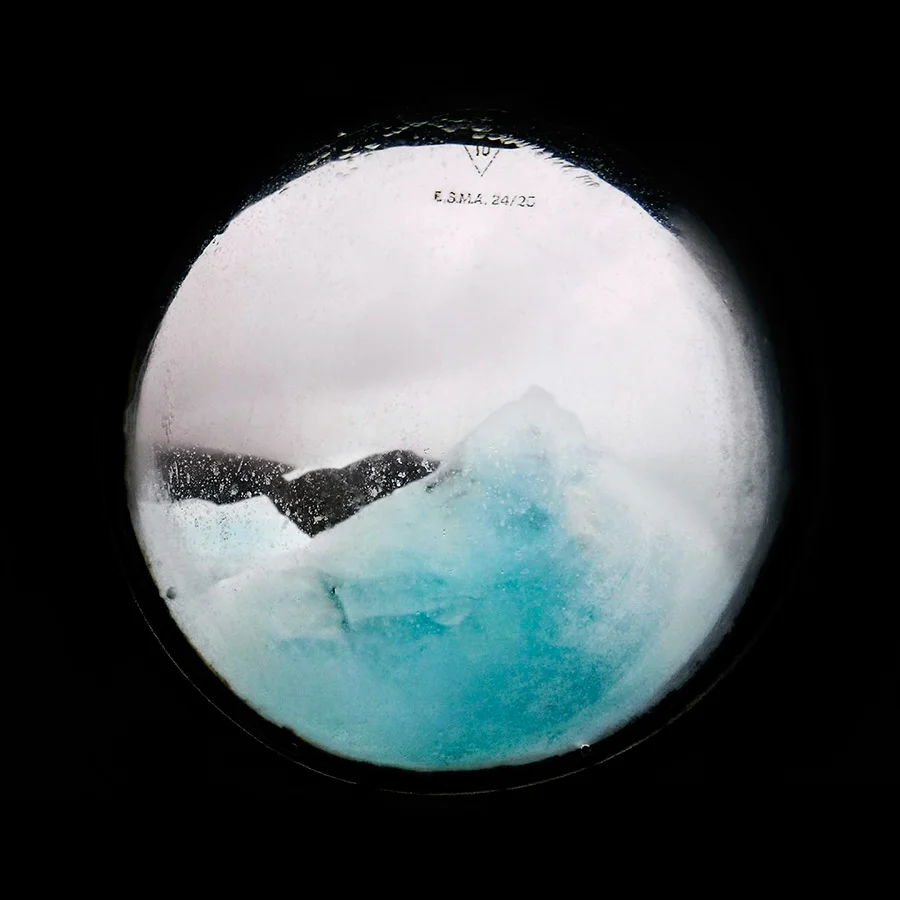
Much of the ice visible in this video is almost a thousand years old. It fell as snow sometime between 1200 and 1000 BCE, melting and refreezing repeatedly until it became so dense in places only the blue end of the visible spectrum of light can pass through it. Not only does this ice rafting out to sea on the back of the tide represent the accelerating loss of the remaining freshwater on the planet, but it also signifies the rapid decline in year-round polar ice which plays a key role in global climate stability. During the previous summer the sea ice reached a record-breaking minimum and the vast expanse of newly opened ocean began to function as a heat sink, the shimmering dark surface of the water drawing heat down into the Arctic whereas ice repels the sun's energy back into space. During the final three months of 2016 temperatures at the North Pole suddenly leapt well above their seasonal norms, and they remained high right through December. By Christmas Eve, 2016 the temperature at the North Pole was in fact a full 50°F/10°C above normal. It was colder that night in Paris.
This particular entry in the Black Mirror Diary encapsulates a single day from dawn to dusk as we sailed through Kongsfjorden exploring the glacier Blomstrandbreen, before anchoring for the night at the polar research station Ny-Ålesund in Oscar II Land.
The audio for this time lapse is composed from NASA recordings of plasma wave data from the sun captured by Voyager 1 that scientists then translated back into sound waves.